Filter Options

Starting From

Tour Level

Safari Type

Year

Months

Destinations

Tanzania Serval Wildlife Tours 2026-2027: Discover Africa’s Wildlife Sanctuary Tours

Embark on an unforgettable journey into the heart of Tanzania with our exclusive Serval Wildlife Tours 2026-2027. Nestled between Mount Kilimanjaro and Mount Meru, Serval Wildlife Sanctuary offers a unique blend of conservation, education, and luxury. Experience close-up interactions with rescued giraffes, zebras, ostriches, lions, and more—perfect for families, photographers, and nature lovers. With eco-luxury villas, expert guides, and immersive cultural experiences, this tour is more than just a wildlife encounter—it’s a life-changing adventure in Africa’s untamed beauty.

Get closer to wildlife than ever before in Tanzania’s premier eco-sanctuary. The 2026-2027 Serval Wildlife Tours offer guided animal interactions, birdwatching, village visits, and gourmet bush dining—all within a stunning natural setting. Whether you're visiting for a day or staying in a solar-powered luxury villa, you’ll walk among giraffes, feed zebras, and learn about African wildlife rescue efforts. Ideal for travelers seeking both adventure and ethical tourism.

Step into a world where luxury meets the wild. Our 2026-2027 Serval Wildlife Sanctuary tours in Tanzania promise an intimate, ethical, and immersive wildlife experience. Set against breathtaking landscapes, the sanctuary is home to giraffes, lions, servals, monkeys, and more—all rescued and living freely. Stay overnight in exclusive eco-villas, enjoy meals with wildlife just steps away, and participate in conservation efforts that make a difference. This is not just a tour—it’s a new way to experience Africa.

Selected filters:
Clear All Filters
6 Packages

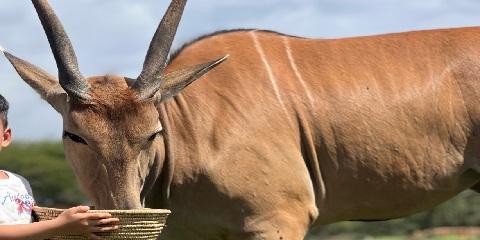
The Tanzania Serval Wildlife Sanctuary tours offer a unique and immersive wildlife experience, making it a top destination for eco-tourists and nature lovers in 2026-2027. Visitors can enjoy up-close encounters with rescued wild animals through guided interaction sessions with giraffes, zebras, elands, and ostriches. Walking safaris allow guests to explore the sanctuary's beautiful terrain while learning about wildlife conservation efforts. Other activities include birdwatching, farm tours featuring local crops like coffee and avocados, cultural visits to nearby Maasai or Chagga villages, and professional wildlife photography opportunities. Those staying overnight may also enjoy bush meals, sundowners, night-time wildlife viewing, and exclusive animal feeding from private villa balconies.


The cost of visiting Tanzania for Serval Wildlife Sanctuary varies depending on whether it’s a day tour or an overnight stay, and the visitor’s residency status. For international visitors, entrance fees typically range from USD 120 to USD 200 per adult for guided wildlife interactions, while children pay between USD 50 to 100. Residents enjoy reduced rates, often around 100,000Tsh for adults and 30,000Tsh for children. For the Overnight stays in Serval’s luxury villas are approximately USD 950 per night, inclusive of breakfast and wildlife access.


The ideal 2026-2027 best time to visit Tanzania Serval Wildlife Sanctuary is during Tanzania’s dry seasons, from June, July, August, September, to October and again from January to February. These months offer clear skies, good road conditions, and better visibility for wildlife viewing. The short rainy season (November to December) and the long rains (March to May) bring lush green scenery and fewer crowds but may result in muddy trails and occasional interruptions to outdoor activities. However, travelers seeking more solitude or discounted rates may find the rainy months appealing for a quieter, more serene experience.


Serval Wildlife Sanctuary in Tanzania is home to a diverse array of animals, including both native and rescued species. Among the most popular residents are Masai giraffes, zebras, elands, ostriches, and a variety of antelopes. Carnivores like lions, serval cats, and caracals are also part of the sanctuary’s population. Smaller creatures such as bat-eared foxes and monkeys (vervet, colobus, and blue monkeys) are commonly seen, and the sanctuary is a haven for birdwatchers, with numerous colorful species fluttering through the trees. Each animal in the sanctuary has a story, often being rescued or rehabilitated, adding an educational and emotional dimension to every visit.


Accommodation at Serval Wildlife Sanctuary offers guests a blend of comfort, exclusivity, and eco-conscious luxury. Villas are designed with king-sized beds, private porches, en-suite bathrooms, minibars, Wi-Fi, and floor-to-ceiling windows with panoramic views of Mount Kilimanjaro or Mount Meru. For the Overnight stays in Serval’s luxury villas are approximately USD 950 per night, inclusive of breakfast and wildlife access. Staying overnight enhances the experience, allowing for exclusive early morning or late evening animal interactions, meals in the bush, and direct balcony views of grazing wildlife.


Serval Wildlife 2026-2027 tours are easily accessible from Arusha, with most day tours offering round-trip transportation included in the package. The drive from Arusha to the Serval sanctuary takes approximately 1.5 to 2 hours. Tours typically begin with early morning pickups and return in the late afternoon, making it possible to experience the sanctuary in one day. These tours include park entry, a guide, wildlife interactions, lunch, and sometimes short cultural visits end route. Tour costs from Arusha generally range from USD 180 to 300, depending on group size and customization.


For travelers landing at Arusha Airport (ARK), several Wildlife tour operators provide direct transfers to Serval Wildlife Sanctuary. The journey from the airport to the sanctuary is only slightly longer than from Arusha town, and it's a convenient option for visitors arriving on domestic flights. Some tour packages may include airport pickup, wildlife interaction, meals, and return transfer, ideal for those with limited time in Tanzania. While the cost is similar to city-origin tours, there may be a small additional fee for airport transfers.


Moshi, being closer to the sanctuary than Arusha, is one of the most common departure points for Serval Wildlife tours. The drive takes about an hour, making day trips from Moshi particularly efficient. These tours include hotel pick-up, wildlife activities, meals, and return transport. Due to the shorter distance, prices for Moshi-origin tours are often slightly lower, typically ranging from USD 150 to 250 per person. Moshi-based visitors can also easily combine their Serval visit with nearby attractions like waterfalls or hot springs.


Tanzania Serval Wildlife is located just 35–45 minutes from Kilimanjaro International Airport, making it an ideal stopover before or after a flight. Some tours are designed specifically for travelers arriving or departing from JRO, offering half-day or full-day excursions with airport pickup or drop-off included. This convenient location allows international tourists to begin or end their Tanzanian journey with a wildlife experience without needing to stay overnight elsewhere. Transfer costs from the airport usually range from USD 50 to 70.


From Zanzibar you can reach Tanzania for Serval Wildlife via in 2026-2027 tours a domestic flight to either Kilimanjaro International Airport or Arusha Airport, followed by a road transfer to the Serval Wildlife sanctuary. Tour operators sometimes offer all-inclusive packages that cover flight tickets, airport transfers, entrance fees, and guided tours. While this is a more expensive option due to the added flight costs, it offers a great opportunity for Zanzibar-based tourists to experience mainland wildlife without planning a full northern circuit safari. Expect total costs ranging from USD 350 to 600+ depending on flight availability and customization.


After visiting Serval Wildlife Sanctuary 2026-2027 tours, guests can explore a wide range of nearby attractions in the Kilimanjaro region. Popular choices include a dip in the warm, clear waters of Chemka (Kikuletwa) Hot Springs, a hike to Materuni Waterfalls, or a guided tour of a local coffee farm. Cultural experiences such as visiting a Maasai or Chagga village offer insight into traditional Tanzanian lifestyles. For more adventure, guests can continue their journey to northern safari parks like Tarangire, Lake Manyara, Ngorongoro Crater, or Serengeti. Alternatively, visitors can fly back to Zanzibar to relax on the beach, making Serval Wildlife an excellent addition to a well-rounded Tanzanian itinerary.